

The Moment Everything Changed
A few months ago, I woke up feeling terrible — groggy, foggy, vaguely off — despite what my calendar said was eight hours of sleep. I opened my Oura app almost reflexively, and for the first time, it didn’t just show me numbers. It told me something: “Your body is showing early signs of strain. Consider reducing your training load today.” No data dump. No charts to decode. Just a plain-English heads-up I could actually act on.
That felt different. And it wasn’t just me noticing.
The global wearables market — currently valued at roughly $52 billion — is projected to nearly quadruple to $190 billion by 2032. But the more interesting story isn’t the growth. It’s the shift. In 2025 and into 2026, every major player in the health wearable space quietly crossed the same threshold: they stopped competing on hardware specs and started competing on intelligence. The device on your wrist or finger became less important than the software brain behind it.
This article is a tour through that shift — and what it means for how we think about health, design, and the relationship between humans and data.
The Contenders: A Quick Map of the Landscape
Before diving into the analysis, it helps to understand who’s playing and how they’re positioned today.
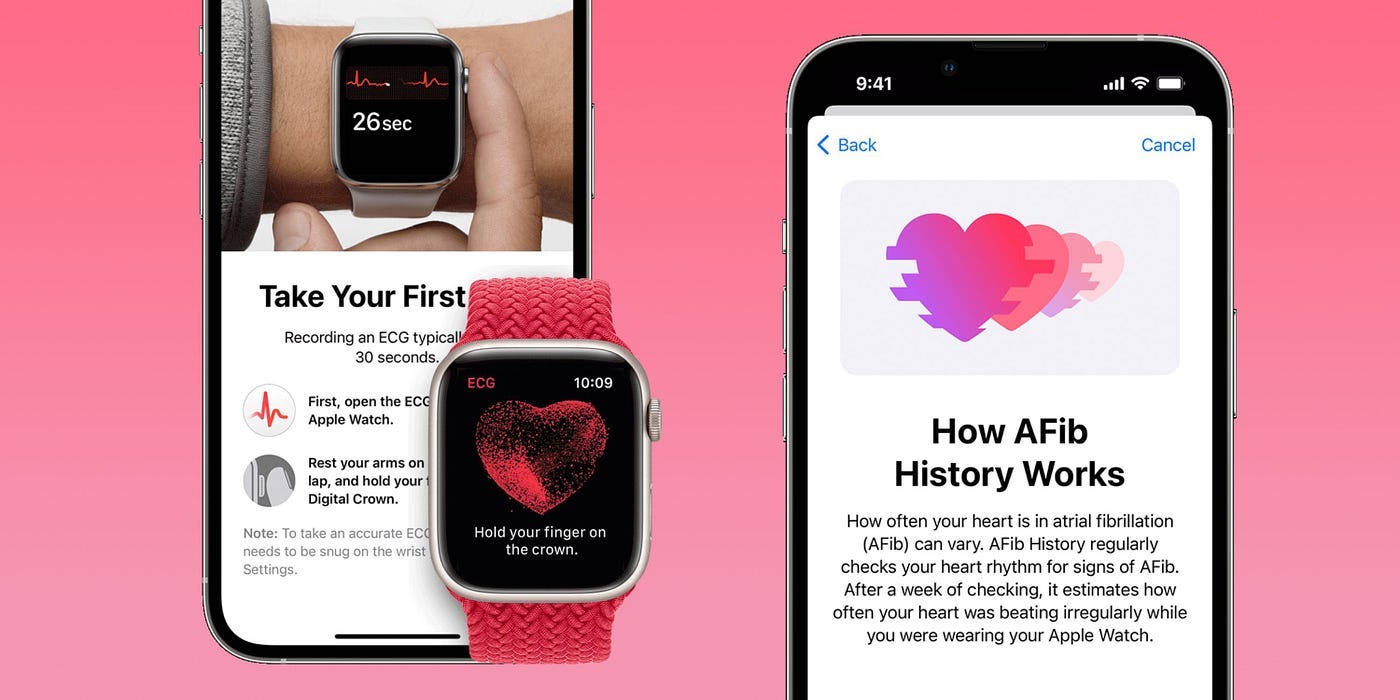
Apple Watch (Series 10 / Ultra 2) remains the most widely adopted health wearable on earth, with over 200 million users in its ecosystem. It’s the Swiss Army knife of the category: ECG, blood oxygen, sleep apnea detection, crash detection, GPS, and — new in watchOS 26 — an AI-powered “Workout Buddy” that delivers real-time coaching based on your fitness history. Apple’s genius has always been integration; its devices are the on-ramp for health data that flows into an increasingly sophisticated platform. The tradeoff is battery life (18–36 hours) and a paradox of richness: Apple Health presents you data but largely lets you figure out what it means.
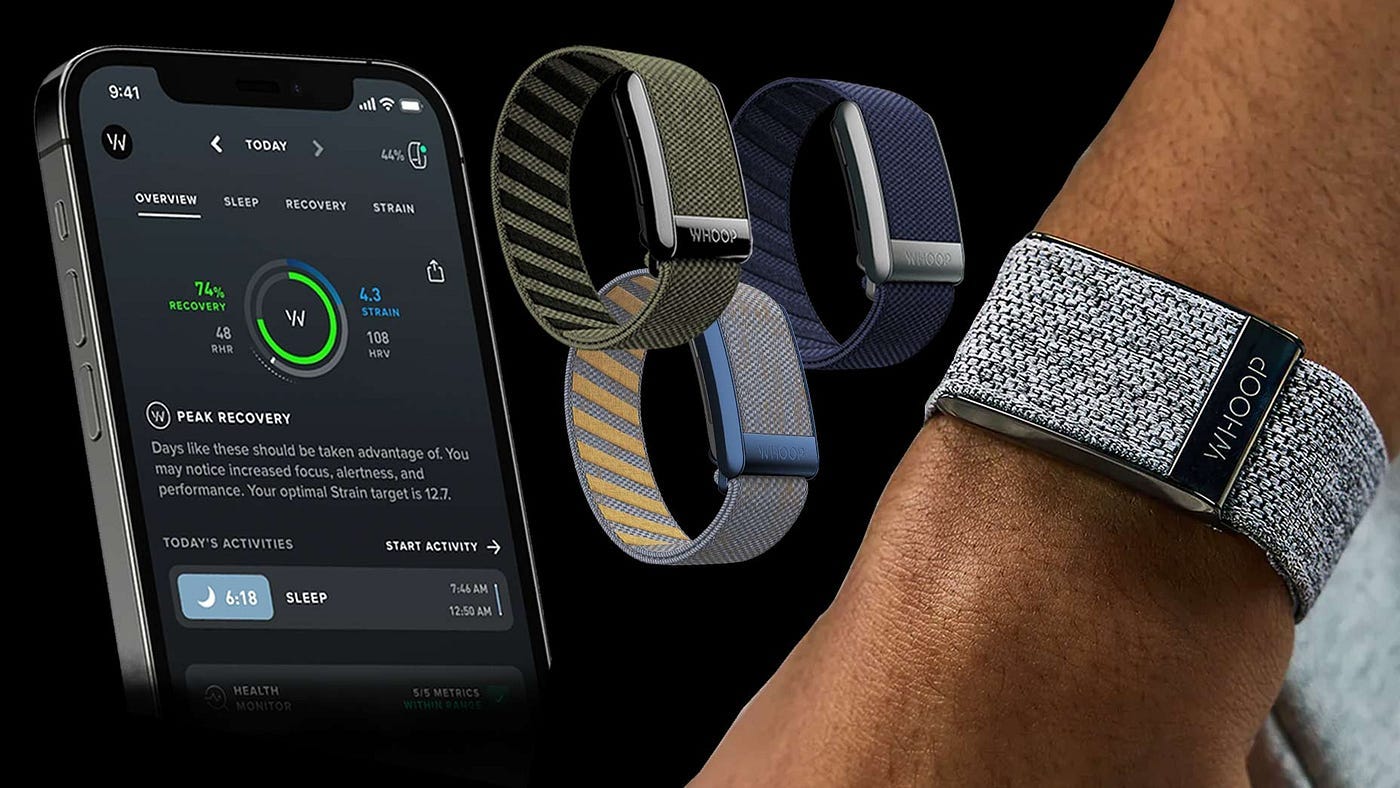
WHOOP 5.0 / WHOOP MG is the purist’s choice. Screenless, subscription-based ($199–$359/year), and obsessively focused on three things: strain, recovery, and sleep. The latest hardware captures heart rate 26 times per second and introduces a “Healthspan” metric that estimates your pace of aging based on recovery patterns. The MG variant adds ECG and AFib detection. WHOOP’s entire design philosophy is built around the question: are you ready to train today? That single-minded focus is both its superpower and its limitation.
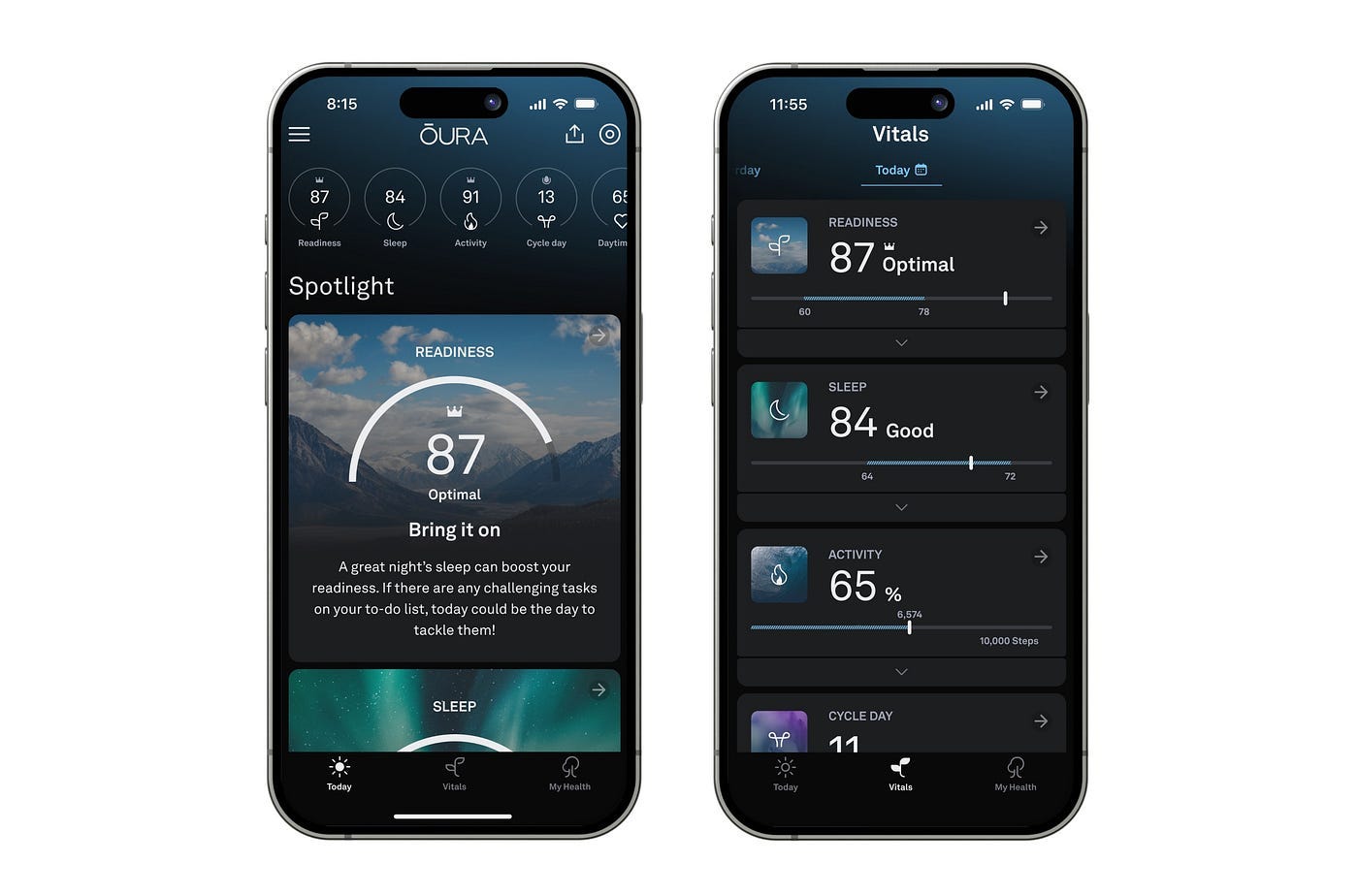
Oura Ring (Gen 4) occupies the sleep-and-wellness lane with a form factor that disappears onto your finger and charges for days rather than hours. In late 2025, Oura overhauled its app entirely — adding a redesigned interface that surfaces one key metric based on what your body most needs to know right now, alongside a new “Cumulative Stress” biomarker that measures how your body accumulates and clears stress over a rolling month. More significantly, Oura’s AI Advisor was finally given access to your actual personal health data, transforming it from a generic wellness chatbot into something genuinely contextual.
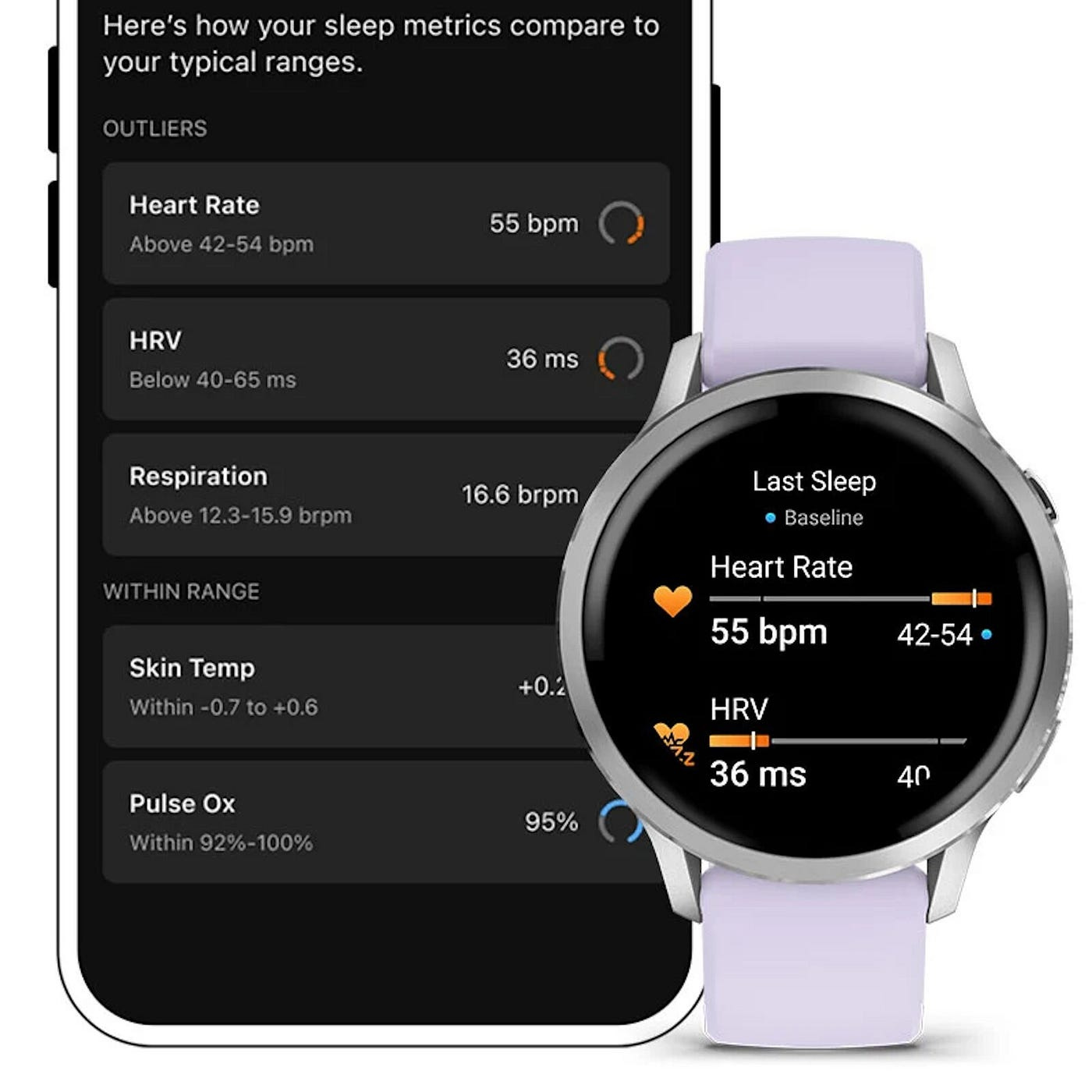
Garmin (Venu 4, Forerunner series) is the athlete’s athlete — unmatched GPS accuracy, multi-week battery life, and deep sports analytics. In 2025, Garmin launched Connect+, a paid subscription tier layering AI coaching and health analytics on top of its historically hardware-led model. That’s a significant pivot for a brand that built its reputation on not needing subscriptions.
Emerging challengers include the Samsung Galaxy Ring, Ultrahuman Ring, and Amazfit Helio Strap — all jockeying for position in a space that’s becoming both more crowded and more interesting.
The Real Competition: Data Interpretation, Not Data Collection
Here’s the thing that gets lost in spec-sheet comparisons: almost all of these devices measure the same things. Heart rate. HRV. Skin temperature. Sleep stages. Respiratory rate. The sensors have converged. The differentiation now lives entirely in what you do with that data.
This is the design insight worth sitting with. For years, the implicit promise of health wearables was: we’ll give you the numbers, and knowledge is power. But the reality most users discovered was different. More data, without context or guidance, often produces anxiety, not action. You’d wake up to a low readiness score and feel worse about a day that hadn’t even started yet.
The industry has clearly heard this feedback. Oura’s CEO Tom Hale put it plainly: “One thing we hear a lot from people is that they just want to be told the meaning. They don’t want the data, they want the insight.” That quote — simple as it sounds — is the product strategy of an entire generation of wearables distilled into a single sentence.
What’s happening now is that AI is finally providing the interpretive layer that raw biometrics always needed. WHOOP Coach uses LLMs to narrate your strain and recovery data in conversational language. Oura Advisor can now tell you why your sleep score dropped last night, pointing to specific disruptions in your HRV or body temperature. Apple’s Workout Buddy synthesizes months of training history to coach you in real time. Garmin’s Body Battery now comes with richer narrative explanations of your energy levels.
We’ve moved from dashboards to dialogue.
The Design Tension Nobody Talks About
There’s a fascinating philosophical split running through this category that doesn’t get enough attention: passive insight vs. active engagement.
Apple Watch is, at its core, an engagement device. It taps your wrist. It shows you rings to close. It nudges, notifies, and rewards. This works brilliantly for behavior change in general populations — but it also trains users to seek validation from their device rather than from their body.
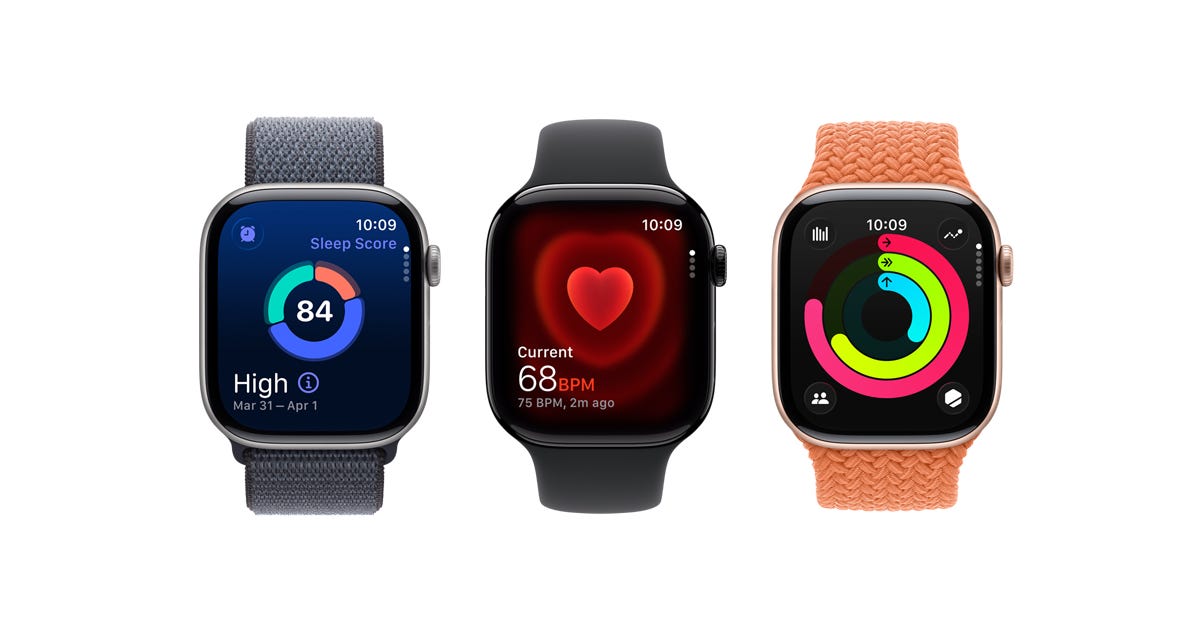
WHOOP and Oura have bet on the opposite model. They’re quiet devices. No screen, no buzzing, no step-goal animations. You check in with them intentionally, usually first thing in the morning, and then you get on with your day. That quietude is a design choice with profound implications: it asks users to develop a relationship with their own data rather than simply react to alerts.
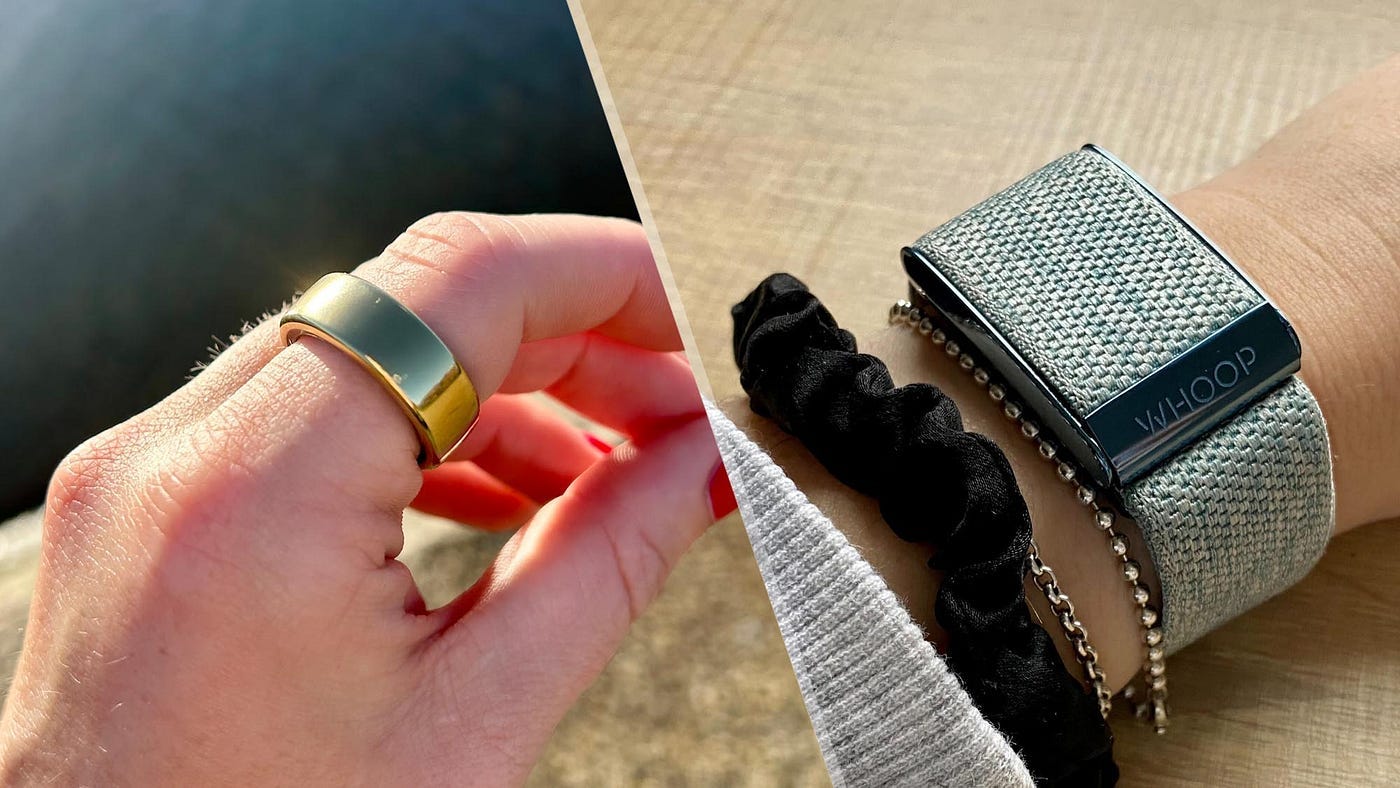
The tension matters for product designers because it represents two genuinely different philosophies of behavior change — push vs. pull, notification vs. reflection. Neither is universally right. For someone building new healthy habits, Apple’s nudge model is probably more effective. For a serious athlete or a health-obsessed professional trying to optimize performance, the quieter, deeper signal of a WHOOP or Oura is more valuable.
The question for 2026 is whether AI personalization can eventually bridge these two models — learning which users need prompting and which need space, and adapting accordingly.
What This Means for Designers and Product People
If you’re building health products, wearable apps, or any kind of AI-adjacent personal technology, the lessons from this category are worth translating.
Intelligence is the new interface. The best feature you can ship right now isn’t a new data visualization or a new metric — it’s a system that tells users what to do with what they already know. The design question has shifted from “how do we display data?” to “how do we generate meaning?”
Subscription as alignment, not ransom. WHOOP’s subscription model is controversial, but it’s created a company whose revenue depends entirely on whether users find value in the software. That’s a healthier long-term alignment than one-time hardware sales. As Garmin’s launch of Connect+ shows, even the holdouts are coming around.
Form factor is philosophy. The decision to put a screen on a device, or not, is not just a hardware choice — it’s a statement about what kind of relationship you want your user to have with information. Screenlessness is a UX philosophy.
The trust problem is still unsolved. As these AI systems get more personal — accessing intimate biometric data, making health predictions, eventually flagging early signs of illness — the privacy architecture becomes existential. Oura processes sensitive reproductive and cardiovascular health data. WHOOP knows more about your sleep and recovery than your doctor. The companies that build genuine, transparent trust around this data will win in the long term. Those who treat it as a competitive moat to be locked away will eventually lose users to whoever handles it better.
The Open Question
There’s something quietly profound about a device on your finger being able to tell you — days before you feel it — that you’re probably getting sick. Oura’s Symptom Radar has done this. WHOOP’s recovery scores have alerted athletes to overtraining before their bodies gave obvious signals. Apple’s sleep apnea detection has triggered medical consultations for people who had no idea they had a problem.
We’re at the early edge of wearables as a genuine preventive health infrastructure — not just a fitness accessory, but a system that catches things before they become serious. The implications for healthcare costs, clinical workflows, and personal agency over health are enormous.
But here’s the open question I keep coming back to: as these devices get smarter and more predictive, how do we ensure they build health literacy rather than health dependency? The goal shouldn’t be a world where people can’t interpret their own bodies without a device to tell them what they mean. The goal should be devices that make people better at understanding themselves — and then eventually need them less.
That’s the design brief nobody has fully answered yet.
What’s your experience with health wearables? Have they changed how you relate to your own body — or just added another screen to check? Drop a comment and let’s talk about it.
References
iGeeksBlog. (2025, December 24). Whoop vs Apple Watch: Which Fitness Tracker Wins in 2026? https://www.igeeksblog.com/whoop-vs-apple-watch/
NBC News Select. (2025, December 30). Whoop vs. Apple Watch: Which is best? I tested both for a month to find out. https://www.nbcnews.com/select/shopping/whoop-vs-apple-watch-review-rcna220233
Athletech News. (2025, December 31). How Wearables Are Evolving From Fitness Trackers to Health Systems. https://athletechnews.com/how-wearables-are-evolving-from-fitness-trackers-to-health-systems/
WebProNews. (2025). Oura Ring’s AI Assistant Finally Learns to Read the Room — and Your Body. https://www.webpronews.com/oura-rings-ai-assistant-finally-learns-to-read-the-room-and-your-body/
Euronews Next. (2026, February 4). Oura Ring’s CEO on how wearable technology will track our health in the future. https://www.euronews.com/next/2026/02/04/oura-rings-ceo-on-how-wearable-technology-will-track-our-health-in-the-future
TechRadar. (2025, October 20). Oura Ring users are getting a revamped, AI-powered app. https://www.techradar.com/health-fitness/oura-ring-users-are-getting-a-revamped-ai-powered-app-and-samsung-galaxy-ring-users-are-going-to-be-seriously-jealous
Wareable. (2025, May 12). Turn your Apple Watch into Whoop: Apps for strain, recovery and sleep. https://www.wareable.com/apple/turn-your-apple-watch-into-whoop
The5kRunner. (2025). WHOOP 5.0 MG Review: Deepest Accuracy Tests. https://the5krunner.com/2025/10/31/2026-whoop-5-0-mg-review-discount-accuracy-strain-recovery-athletes/
T3. (2026). Oura thinks its new AI can do what ChatGPT can’t for women’s health. https://www.t3.com/active/fitness-trackers/oura-smart-ring-womens-health-llm-advisor
Healify. Apple Watch vs Oura Ring vs Whoop: Health Tracking Wearable Comparison. https://www.healify.ai/blog/apple-watch-vs-oura-ring-vs-whoop-health-tracking-wearable-comparison