

The detail nobody put on the slide
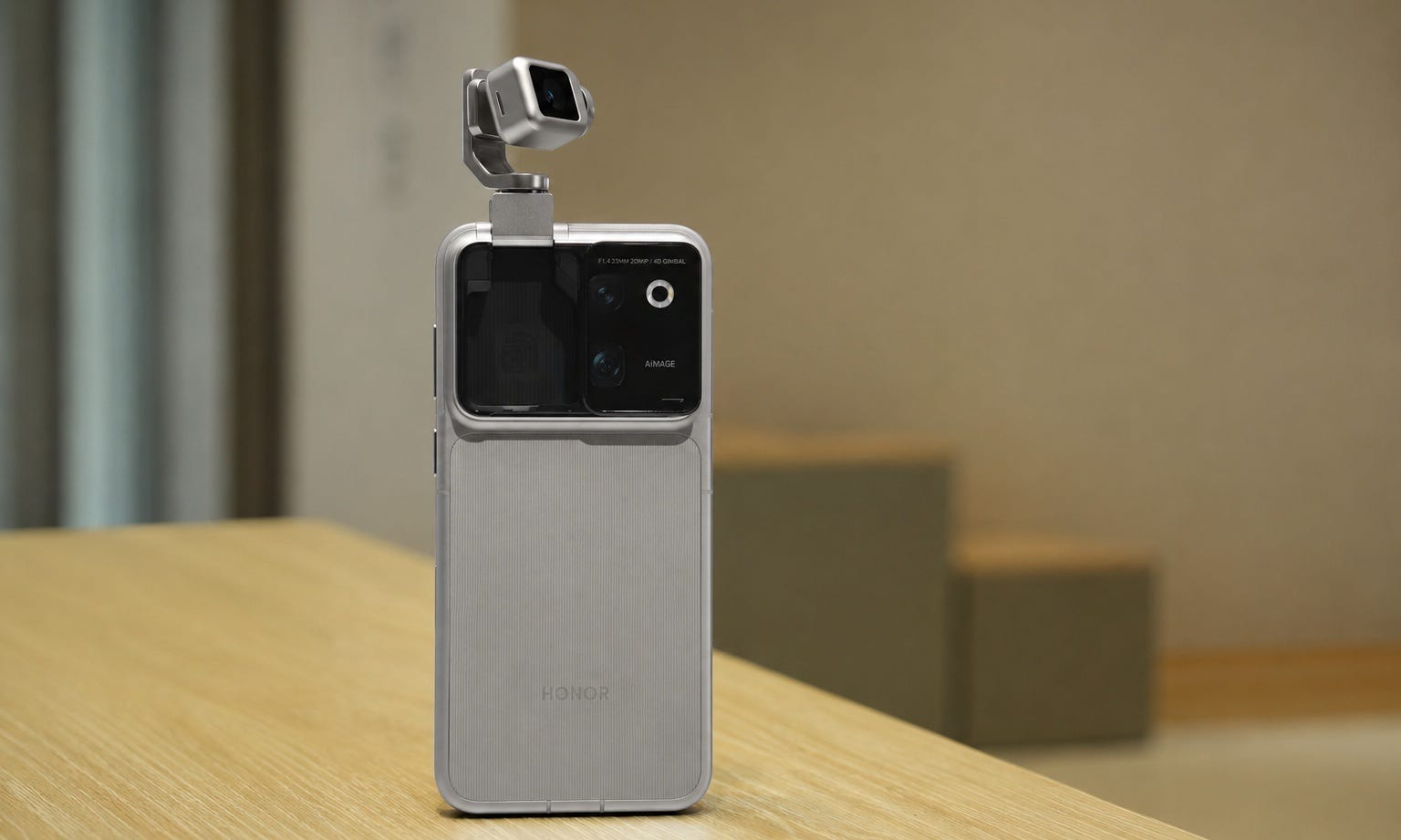
Last December, a Chinese phone called the nubia M153 sold out its first run of 30,000 units in a single day. It ran ByteDance’s Doubao assistant at the operating-system level, meaning the AI didn’t sit in a chat window waiting for prompts. It reached out and tapped the screen for you. Booked the cab. Compared the prices. Filled in the form.
And then WeChat and Taobao blocked it.
Not the phone. The behavior. China’s biggest apps looked at an agent driving their interfaces like a very fast, very literal user, and shut the door almost immediately.
I keep coming back to that detail, because this week in Shanghai its sequel took a victory lap. At the 2026 World Artificial Intelligence Conference — July 17–20, four venues, a reported 3,000+ exhibits — nubia unveiled the NaviX Ultra, billed as the world’s first AI-agent smartphone, with Doubao wired into the OS itself. It won a SAIL award before it ever went on sale. Alongside it, StepFun debuted what it calls an “Agent Operating System,” swapping the old file + application paradigm for intent + task: you state a goal, the system figures out the sequence.
So the industry is now shipping, at consumer scale, a product whose core value proposition is that it doesn’t need your app. And the apps have already said no.
That gap — between the demo and the ecosystem — is the most useful thing WAIC gave us this year.
Trend one: the unit of design is no longer the app
For twenty years, product design has assumed a stable container. You design a screen, inside a flow, inside an app, inside a store. Distribution and interface were the same object.
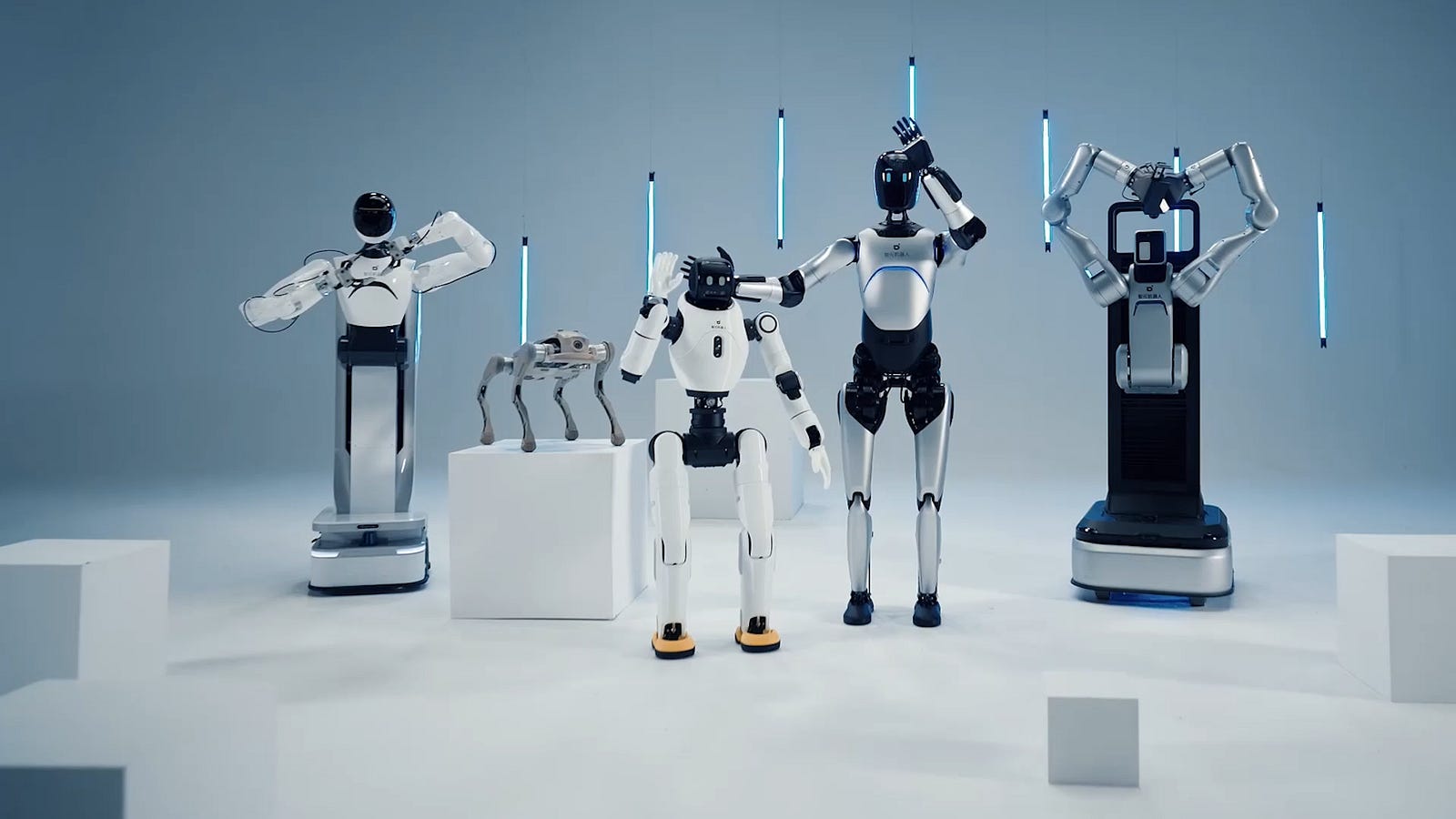
Agentic OSes break that. If the intent layer sits above the app layer, your carefully wrought onboarding is something a machine skims on its way to the checkout button. The exhibition floor in Shanghai reflected this everywhere: the story shifted from cloud models to on-device agents, from chat partners to operating systems, from parameter-count bragging to embodied and physical deployment. AGIBOT rolled out four robots at once. ACE Robotics shipped a world model plus an open benchmark for physical intelligence. Nobody was selling a chatbot.
But here’s the part product people should sit with: capability arrived before consent. The agent can operate the app. Whether the app permits it is a commercial negotiation, not a technical one. Every platform now has to decide whether agents are users, partners, or parasites, and that decision will be made by business development teams, then handed to designers as a constraint.
Trend two: governance became infrastructure
Two days before the exhibition opened, 29 countries signed an agreement in Shanghai establishing the World Artificial Intelligence Cooperation Organization, an intergovernmental body headquartered in the city, with founding members including Indonesia, Brazil, Malaysia, South Africa, Russia and Pakistan. The UN Secretary-General attended. The US and most Western governments did not.
It’s easy to file this under geopolitics and move on. Don’t. For anyone building product, this is the beginning of divergent default settings: different consent models, different data residency assumptions, different definitions of an acceptable autonomous action. The same agent flow may be legal, illegal, or simply unshippable depending on which standards bloc your user opens the app in.
Governance used to be a compliance review at the end. It’s becoming a design input at the start.
What this means if you design or build products
Three things I’m taking into my own work:
1. Design the permission layer as a first-class surface. If an agent acts on someone’s behalf, the most important screen in your product is no longer the feature, it’s the moment where a person grants, scopes, or revokes authority. Most teams are still treating that as a settings toggle. It’s the whole product.
2. Assume you are designing for two users. One human, one machine. Your interface now has a second audience that reads structure, not affordance. Semantic clarity, stable labels, and machine-legible state stop being hygiene and start being distribution strategy.
3. Get specific about what shouldn’t be delegated. This is where taste earns its keep. When execution is cheap and automatic, the differentiating judgment is knowing which decisions a person actually wants to keep, the ones where the choosing is the value. A phone that books your flight is convenient. A phone that picks your seat, your airline, and your layover has quietly made a set of judgments you might have enjoyed making.
The open question
WAIC 2026 answered a technical question, yes, agents can drive the whole device, and opened a much harder one: who gets to be the interface?
If the agent is the OS, the app becomes a supplier. If the app fights back, the agent becomes a very expensive voice assistant. Somewhere between those outcomes is a new contract about interaction, and I don’t think anyone in Shanghai has written it yet.
So: what’s the first thing you’d refuse to let an agent do on your behalf? I suspect the answer is where the next decade of product design actually lives.
If this was useful, I’d love to hear what you saw in the WAIC coverage that I missed — especially from anyone who was on the floor.
References
Al Jazeera — China’s Xi Jinping launches new AI alliance: What is it? (July 17, 2026): https://www.aljazeera.com/news/2026/7/17/chinas-xi-jinping-launches-new-ai-alliance-what-is-it
Xinhua — 29 countries sign agreement on establishing World AI Cooperation Organization (July 16, 2026): https://english.news.cn/20260716/b0449aa2133542868e310fdc45ef2969/c.html
eWeek — China Launches Global AI Organization With 29 Countries as West Stays Out: https://www.eweek.com/news/china-waico-global-ai-governance-organization/
PYMNTS — 29 Nations Join China-Led World AI Cooperation Organization: https://www.pymnts.com/news/artificial-intelligence/2026/29-nations-join-china-led-world-ai-cooperation-organization/
Concept Phones — nubia NaviX Ultra unveiled as the world’s first AI agent smartphone (July 19, 2026): https://www.concept-phones.com/zte/nubia-navix-ultra-ai-agent-phone/
iGeekPhone — Nubia NaviX Ultra Debuts at WAIC as World’s First AI-Native Smartphone: https://www.igeekphone.com/nubia-navix-ultra-debuts-at-waic-as-worlds-first-ai-native-smartphone-with-doubao-mobile-assistant/
Memeburn — Nubia AI Agent Smartphone Will Use Apps Without You Touching: https://memeburn.com/nubia-ai-agent-smartphone/
George Chen (Substack) — PREVIEW: WAIC 2026 showcases Xi’s keynote, Huawei’s Atlas 950, ZTE’s AI Agent Phone: https://georgechen.substack.com/p/preview-waic-2026-showcases-xis-keynote
36Kr — WAIC 2026 Full Preview: 108 Chips & 261 Large Models Unveiled: https://eu.36kr.com/en/p/3896827901200259
36Kr — Upcoming WAIC 2026: Multiple New Embodied Intelligence & AI Infrastructure Products Set to Debut: https://eu.36kr.com/en/p/3898343171687813
Tech Times — AGIBOT Debuts Four Robots at WAIC 2026: https://www.techtimes.com/articles/320899/20260718/agibot-debuts-four-robots-waic-2026-global-export-push-meets-chinas-spy-law-obligation.htm
Bastille Post — ACE Robotics Unveils Kairos 3.1 at WAIC 2026: https://www.bastillepost.com/global/article/6021153-ace-robotics-unveils-kairos-3-1-and-expands-its-embodied-ai-stack-from-data-to-deployment-at-waic-2026
EqualOcean — WAIC 2026 Guide: https://equalocean.com/event/2026071422027-waic-2026-guide-ai-partnership-brighter-future